





 |
|
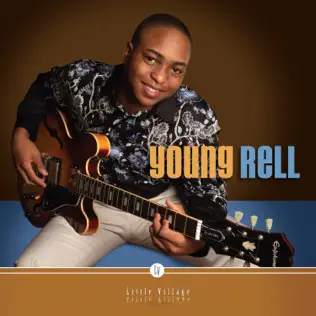
 Interview: met Harrell “Young Rell” Davenport
 Je bent pas 19, bijna 20; hoe ben je eigenlijk in de blues terechtgekomen?
Harrell “Young Rell” Davenport: Ik ben opgegroeid met muziek en voelde me al op jonge leeftijd aangetrokken tot de emotionele eerlijkheid en rijke historische diepte van de blues. Toen ik eenmaal serieuzer begon te luisteren naar artiesten als Little Walter, Jazz Gillum, Jimmy Reed, Eddie Taylor, Hip Linkchain en anderen, raakte ik helemaal in de ban van de blues. Ik raakte steeds meer gefascineerd door mijn cultuur, en door de klanken, verhalen en tradities achter de muziek zelf.
Wie zijn of waren jouw grootste inspiratiebronnen of rolmodellen?
Harrell “Young Rell” Davenport: Mijn inspiratiebronnen zijn een breed scala aan genres, culturen en muzikale tradities. Binnen de blues hebben artiesten als Otis Rush, Sonny Terry, Brownie McGhee, Pee Wee Crayton, Snooks Eaglin, Little Walter en Junior Wells een grote invloed op me gehad. Ook muzikanten als Sugar Minott, Ernest Ranglin, Lynn Taitt, Prince Far I en Huford Brown zijn zeer invloedrijk geweest, evenals artiesten als Fela Kuti, Boubacar Traoré en Taj Mahal. Ik heb altijd bewondering gehad voor muzikanten die een sterke, individuele stem hebben, maar tegelijkertijd stevig geworteld blijven in de traditie.
Hoe zijn de nummers op je debuutalbum, of de nummers in het algemeen, tot stand gekomen? Jamsessies, serieuze schrijfsessies?
Harrell “Young Rell” Davenport: Het meeste materiaal is ontstaan tijdens gerichte schrijfsessies en weerspiegelt persoonlijke ervaringen of omstandigheden waar ik op dat moment mee te maken had. Een groot deel van de nummers is geschreven tussen mijn twaalfde en zeventiende levensjaar, terwijl sommige van de nieuwere composities kort voor de opnamesessies zijn voltooid. Over het algemeen schrijf ik vanuit observatie en levenservaring, of dat nu persoonlijke emoties, relaties of, je zou kunnen zeggen, bredere reflecties op het leven betreft.
Hoe verliepen de opnames van het album?
Harrell “Young Rell” Davenport: Het opnameproces verliep buitengewoon soepel. Ironisch genoeg was een van de meest interessante aspecten van de sessies hoe vloeiend en efficiënt alles van begin tot eind aanvoelde. Er heerste een enorme professionaliteit, goede verstandhouding en wederzijds respect tussen alle betrokkenen, waardoor de muziek zich heel natuurlijk in de studio kon ontwikkelen. In plaats van de sessies te benaderen met overmatig nadenken of rigide structuren, lag de focus op authenticiteit, spontaniteit en het vastleggen van oprechte gevoelens in de uitvoeringen. De sfeer bleef gedurende het hele proces zowel creatief als ontspannen, en ik geloof dat die oprechtheid uiteindelijk in het eindproduct tot uiting is gekomen.
Hoe is het jullie gelukt om Matthew Skoller als producer te strikken?
Harrell “Young Rell” Davenport: Ik kende Matthew al een tijdje. Hij is mijn manager en ik bewonderde al lange tijd veel van de platen die hij in het verleden had geproduceerd. Wat me altijd opviel, was de balans tussen structuur en spontaniteit. De opnames klinken natuurlijk en ontspannen, zonder onderontwikkeld of overgeproduceerd te zijn, en je merkt duidelijk dat de muzikanten oprecht genieten van het samen muziek maken. Na verloop van tijd ontwikkelden we een sterke werkrelatie en omdat hij mijn artistieke visie zo goed begreep, voelde het als een heel logische keuze om hem het album te laten produceren.
Hoe hebben jullie de covers gekozen, "I Hear Some Blues Downstairs" van Fenton Robinson en "Masters of War" van Bob Dylan?
Harrell “Young Rell” Davenport: Ik koos voor "I Hear Some Blues Downstairs" omdat ik Fenton Robinsons songwriting, frasering en verfijnde muzikale aanpak altijd heb bewonderd. Ik vond het ook belangrijk om een eerbetoon te brengen aan een artiest die naar mijn mening niet altijd de erkenning heeft gekregen die hij verdient. "Masters of War" daarentegen voelde tekstueel bijzonder relevant aan in de huidige tijd. Ik wilde het nummer herinterpreteren vanuit mijn eigen muzikale perspectief, met respect voor de diepgang en integriteit van Bob Dylans oorspronkelijke boodschap.
Hoe zou je je geluid en repertoire omschrijven?
Harrell “Young Rell” Davenport: Ik zou mijn muziek omschrijven als diep geworteld in de traditionele blues, maar met elementen van reggae, soul en andere muzikale invloeden. Ik streef naar een balans tussen authenticiteit en frisheid enerzijds en originaliteit anderzijds, waarbij ik ervoor zorg dat de muziek emotioneel eerlijk, expressief en bovenal gevoelsmatig is.
Wat zorgt ervoor dat een muzikant door de jaren heen gepassioneerd blijft over de blues?
Harrell “Young Rell” Davenport: Ik geloof dat de emotionele connectie ervoor zorgt dat muzikanten door de jaren heen gepassioneerd blijven over de blues. Bluesmuziek blijft tijdloos omdat het universele menselijke ervaringen aanspreekt, zoals strijd, vreugde, verdriet, veerkracht en doorzettingsvermogen. Zolang mensen die emoties blijven ervaren, zal de blues betekenisvol en relevant blijven.
Wat doe je om je muziek relevant te houden, verder te ontwikkelen en aan de nieuwe generatie te presenteren?
Harrell “Young Rell” Davenport: Ik denk dat de sleutel ligt in het respecteren van de traditie en tegelijkertijd iets persoonlijks en vernieuwends creëren. Origineel materiaal schrijven, moderne platforms omarmen en jongere luisteraars helpen de culturele en historische betekenis van de muziek te begrijpen, zijn allemaal belangrijke aspecten om de blues levend te houden voor toekomstige generaties. Tegelijkertijd geloof ik dat authenticiteit essentieel is, omdat luisteraars direct herkennen wanneer muziek oprecht is.
Kunnen we je in 2026/2027 in Nederland verwachten om je cd te promoten?
Harrell “Young Rell” Davenport: Dat hoop ik zeker. Ik heb de steun en het enthousiasme van het Europese publiek altijd zeer gewaardeerd, vooral in landen als Nederland waar blues en rootsmuziek zo geliefd zijn. Ik zou de kans om in 2026 of 2027 terug te keren naar het buitenland om de plaat te promoten en weer in contact te komen met het publiek, absoluut verwelkomen.
Harrell “Young Rell” Davenport bedankt voor je tijd dat je hebt genomen voor fotosbluesrock.nl
| Translte: ENG |  |
You are only 19, turning 20; how did you get into the blues?
I grew up around music and was drawn to the emotional honesty and rich historical depth of the blues from a very young age. Once I began listening more seriously to artists like Little Walter, Jazz Gillum, Jimmy Reed, Eddie Taylor, Hip Linkchain, and others
I became increasingly fascinated with learning more about my culture, as well as the sound, stories, and traditions behind the music itself.
Who are or were your biggest sources of inspiration or role models?
My inspirations come from a broad range of genres, cultures, and musical traditions. Within blues, artists such as Otis Rush, Sonny Terry, Brownie McGhee, Pee Wee Crayton, Snooks Eaglin, Little Walter, and Junior Wells have had a profound impact on me. Also musicians like Sugar Minott, Ernest Ranglin, Lynn Taitt, Prince Far I, and Huford Brown have been extremely influential, alongside artists such as Fela Kuti and Boubacar Traoré, and Taj Mahal. I’ve always admired musicians who possess a strong individual voice while still remaining heavily rooted in tradition.
How did the songs on your debut album, or the songs in general, come about? Jam sessions, serious writing sessions?
Most of the material was developed through focused writing sessions and reflected personal experiences or circumstances I was navigating at the time. A large portion of the songs were written between the ages of 12 and 17, while some of the newer compositions were completed shortly before the recording sessions. In general, I tend to write from observation and lived experience, whether that involves personal emotions, relationships, or I guess you could say broader reflections on life.
How did the recording of the album go?
The recording process went exceptionally smoothly. Ironically, one of the most interesting aspects of the sessions was how fluid and efficient everything felt from beginning to end. There was a tremendous level of professionalism, chemistry, and mutual respect among everyone involved, which allowed the music to develop very naturally in the studio. Rather than approaching the sessions with excessive overthinking or rigidity, the focus was placed on authenticity, spontaneity, and capturing genuine feeling in the performances. The atmosphere remained both creative and relaxed throughout the process, and I believe that sincerity ultimately translated into the final product.
How did you get Matthew Skoller as producer?
I had already known Matthew for a while. He's my manager, I had long admired many of the records he produced in the past. What always stood out to me was their balance between structure and spontaneity. The recordings feel natural and relaxed without sounding underdeveloped or overproduced, and there is a clear sense that the musicians are genuinely enjoying the process of making music together. Over time, we developed a strong working relationship, and because he understood my artistic vision so well, having him produce the album felt like a very natural decision.
How did you choose the covers, Fenton Robinson’s “I Hear Some Blues Downstairs” and Bob Dylan’s “Masters of War”?
I chose “I Hear Some Blues Downstairs” because I’ve always admired Fenton Robinson’s songwriting, phrasing, and sophisticated musical approach. I also felt it was important to pay tribute to an artist who, in my opinion, has not always received the level of recognition he truly deserves. “Masters of War,” on the other hand, felt especially relevant lyrically in today’s world. I wanted to reinterpret the song through my own musical perspective while still respecting the weight and integrity of Bob Dylan’s original message.
How would you describe your sound and repertoire?
I would describe my sound as deeply rooted in traditional blues while also incorporating elements of reggae, soul, and other musical influences. I strive to balance authenticity and freshness with originality, while keeping the music emotionally honest, expressive, and grounded in feeling above all else.
What keeps a musician passionate about the blues over the years?
I believe the emotional connection is what keeps musicians passionate about the blues over time. Blues music remains timeless because it speaks to universal human experiences such as struggle, joy, heartbreak, resilience, and perseverance. As long as people continue to experience those emotions, the blues will continue to hold meaning and relevance.
What do you do to keep your music relevant, develop it, and present it to the new generation?
I think the key is to respect tradition while still creating something personal and fresh. Writing original material, embracing modern platforms, and helping younger audiences understand the cultural and historical significance of the music are all important aspects of keeping the blues alive for future generations. At the same time, I believe authenticity is essential, because listeners can immediately recognize when music comes from a genuine place.
Can we expect you in the Netherlands in 2026/2027 to promote your CD?
I certainly hope so. I’ve always appreciated the support and enthusiasm of European audiences, particularly in places like the Netherlands where there is such a deep appreciation for blues and roots music. I would absolutely welcome the opportunity to return internationally in 2026 or 2027 to promote the record and connect with audiences again.
 |
[Back to TOP] |
Geen opmerkingen:
Een reactie posten